
From time to time I end up having broader discussions with people about motivation. It could be when someone is thinking of a new challenge, feels unmotivated or frustrated or wants to create a long term plan for their career but don’t know where they want to go.
I have done a few different sessions to help people understand their motivational factors and find ways to move towards an increased motivation and I will describe some of them here. They approach the motivational questions from different angles and I choose the one that is best suited for any particular situation.
The barometer
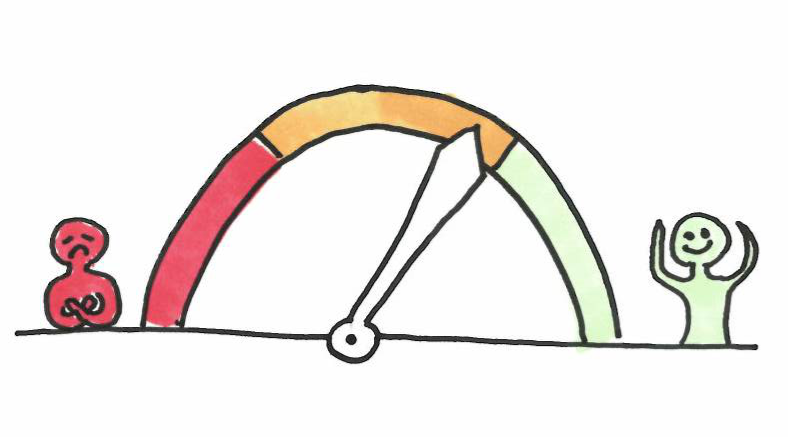
This is a small tool for coaching where we start your digging by taking the temperature on how things are right now and the trend going forward. When having that understanding we can dig deeper into how to move the needle in the right direction and at this point you go into a general coaching session. Read more about the tool in the post “A powerful question to drive improvements“.
I use this tool frequently in my 1:1s to understand how things are and to identify opportunities to make things better. It is a great tool to that helps discovering motivational issues and to talk about trends but it is not the right tool to fix a bad situation or identify new career goals.
The fun/not fun exercise
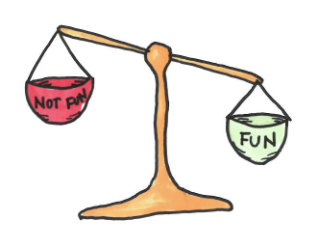
This is a session where we focus on mapping out the motivational drivers of a person by looking at things they do in their day to day work and categorizes them depending on how much the person enjoys doing them. You also look at how the balance is between them. Is one of the buckets heavier than the other one? Is the “not fun” bucket too heavy?
The second part of the sessions is depending on the reason for doing this exercise in the first place. If it is about changing the balance of the scale you could turn this into a coaching session to identify things to do to change the balance. If it is more about understanding the motivational drivers of a person in general you could instead continue with a pattern mapping exercise and look for new insights by analyzing why things end up in the fun or not fun category and which patterns we can see.
I have used this session to identify which things are important for a person to get a better understanding of what to look for when considering a new role. I have also used this session to help someone that feels low on energy to get a better understanding of what is causing the draining of energy to identify things we can do to change the balance.
The fun vs business impact exercise
This is a session where we try to identify the high impact things that a person does and enjoys doing as well as the low impact things that you might be better off to stop doing. I have used this tool for individual coaching but also together with teams to identify things that we can stop do or should automate.
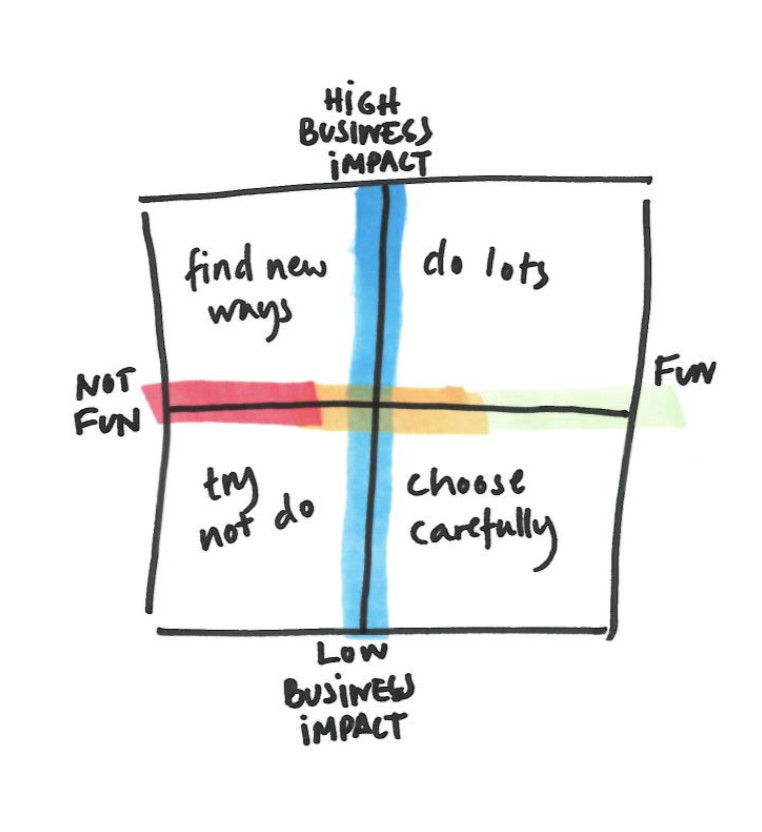
In the session we start by mapping out the things that the person (or the team) does in four buckets:
- The things that have high business impact that you enjoy. Continue to do these, can you do more?
- The things that have high business impact that you don’t enjoy. These things needs to happen since they are important. Could you find someone else that would enjoy them? Could you automate them or change them in a way to make them more enjoyable?
- The things that have low business impact that you enjoy. Make sure not to spend too much time on these. You should probably spend some time on them, especially if you are low on energy. Are you spending right amount of time on these?
- The things that have low business impact that you don’t enjoy. You should probably stop do these things or at least spend minimal amount on time on them. Can you stop do some of them?
This session can be helpful to get a deeper understanding of the motivational drivers from the lens of business impact and I have for example used it when trying to understand if the current priorities when picking tasks to work on is the right one to create a good balance both on business impact and personal motivation.
The bright future exercise
This session have I found helpful when people are in a low motivational state, when they feel frustrated over the current situation and can’t see a way out of that state.
In this session we start by describing the current state and what is bad about it. This is often emotional and can be a bit depressive. As the facilitator I try to summarize the situation in an objective way to create a picture that is not too colored by the emotions. This is also important to get away for a feeling of hopelessness to get prepared for the creative thinking that is needed in the next step.
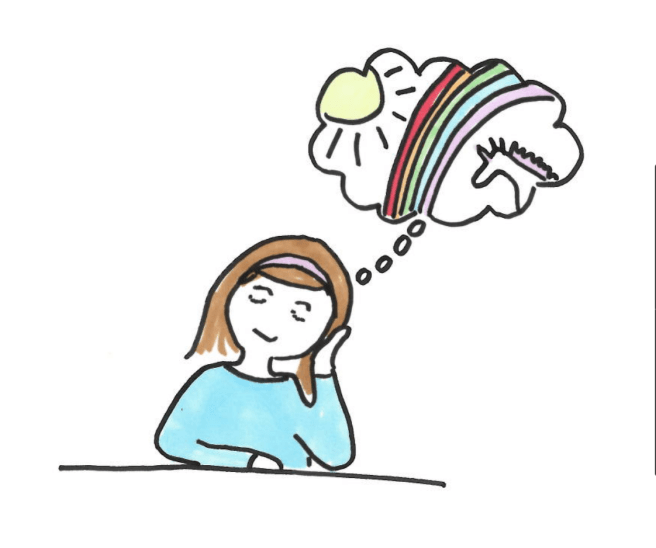
The next step is the most difficult and it is not unexpected that you need to do this is another session to give enough time for reflection. The idea is to look at the situation that is not working and ask the question “in a perfect world, where things are exactly how you would like them to be, how does that picture look? What are you doing in that world and what are people around you doing? What is great about this perfect world?”
When that picture is clear we can look at the delta between the current state and the picture to identify things that needs to change for you to move into a better place. Most often you will now be able to see some actions the person can take to start creating that change and both of you will definitely know more around the things that are important for the person to be happy, motivated and in a sustainable energy level.
This session is a tool to help someone else get new insights around how to improve their situation but you can also use it to help yourself. From time to time, when I need to get a deeper understanding of my own motivation and find things I can do to improve the situation I am in, I run this exercise for myself as a reflection exercise.
 Engineering Leadership in Practice by Åsa Ranneby
One Reply to “”